AGP Executive Report
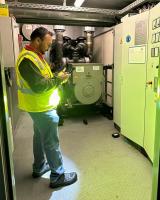
Last update: 2 hours agoData Centers: Former Obama and Trump advisers are urging federal standards that protect ratepayers, energy security and local land-use authority. In Virginia, developers withdrew a proposal for a 220-acre Frederick County campus with up to 11 data center buildings, at least for now. Health Tech: Sentara has introduced an AI tool across all 12 hospitals to help clinicians review records, spot patient needs and plan discharges earlier. Health Workforce: JMU broke ground on a six-story health and behavioral studies building, backed by $115.3 million in state funding. It’s designed to expand training and services, especially for rural and underserved communities. Advanced Manufacturing: Virginia’s AM2 Tech Hub won $24.8 million in federal grants for manufacturing equipment, worker training and regional industry partnerships. Space & Cybersecurity: Herndon-based HawkEye 360 confirmed six new radio-frequency detection satellites reached orbit. Separately, Gov. Spanberger ordered a statewide plan to strengthen cybersecurity and guard against AI-driven attacks.
Note: AI summary from news headlines; neutral sources weighted more to help reduce bias in the result. Feedback is welcome. Please let us know if you have any comments or suggestions about the AGP Executive Report.
 Perspectify News